Understanding Local Regulations for Outdoor Construction in Cooke County


Introduction to Local Regulations
Understanding local regulations is crucial for anyone planning outdoor construction in Cooke County. These rules ensure safety, maintain community aesthetics, and protect the environment. Navigating these regulations can be challenging, but it is essential to comply with legal requirements to avoid fines and project delays.
Understanding Zoning Laws
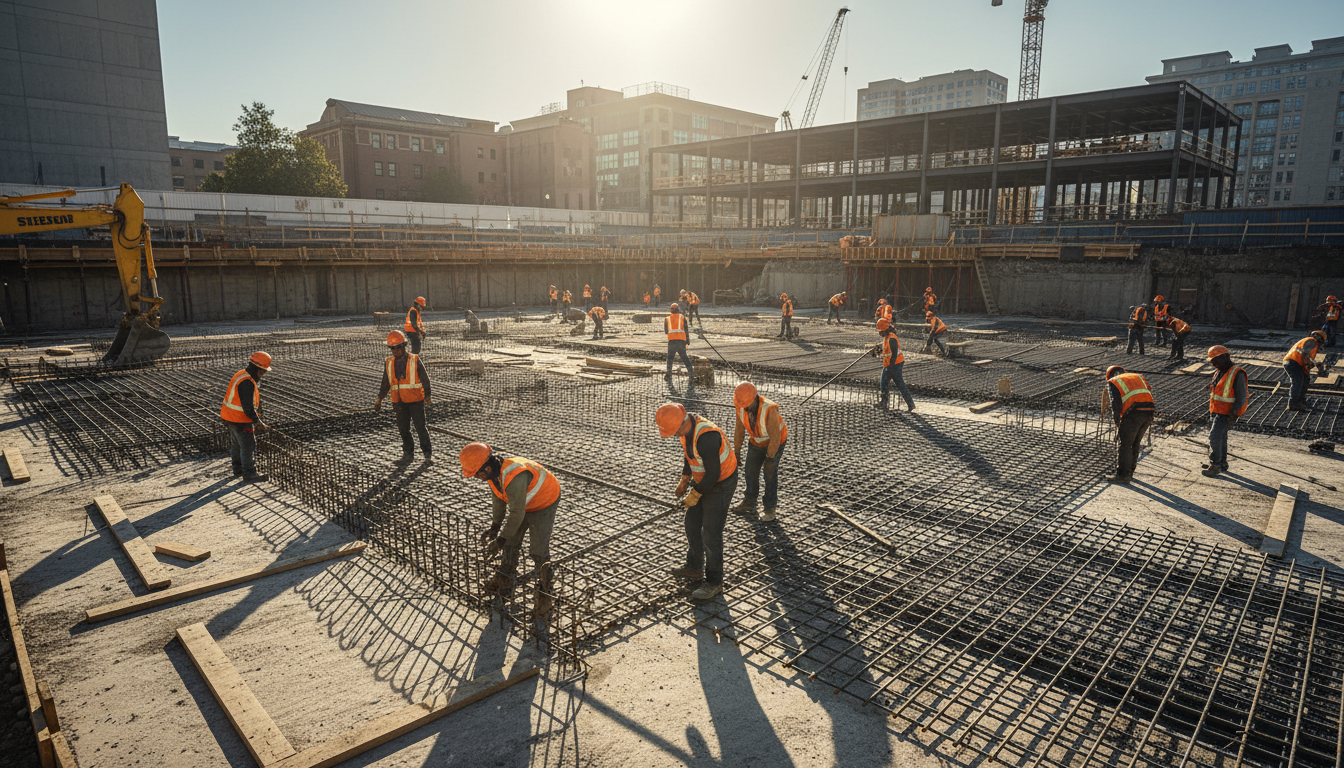
Zoning laws dictate how land can be used within specific areas in Cooke County. These laws determine whether a property can be used for residential, commercial, or industrial purposes. Before starting your project, check zoning classifications to ensure that your intended construction aligns with local ordinances.
Types of Zoning
The primary types of zoning include:
- Residential Zoning: Includes single-family homes, multi-family units, and sometimes agricultural uses.
- Commercial Zoning: Covers retail stores, offices, and restaurants.
- Industrial Zoning: Pertains to factories, warehouses, and distribution centers.
Permit Requirements
Obtaining the necessary permits is a critical step in the construction process. Cooke County requires permits for various types of outdoor construction projects. These permits ensure that all building standards and safety regulations are met.

Types of Permits
Common permits include:
- Building Permits: Required for new constructions, additions, or significant alterations.
- Electrical Permits: Necessary for any electrical work during construction.
- Plumbing Permits: Needed for any plumbing installations or modifications.
Environmental Considerations
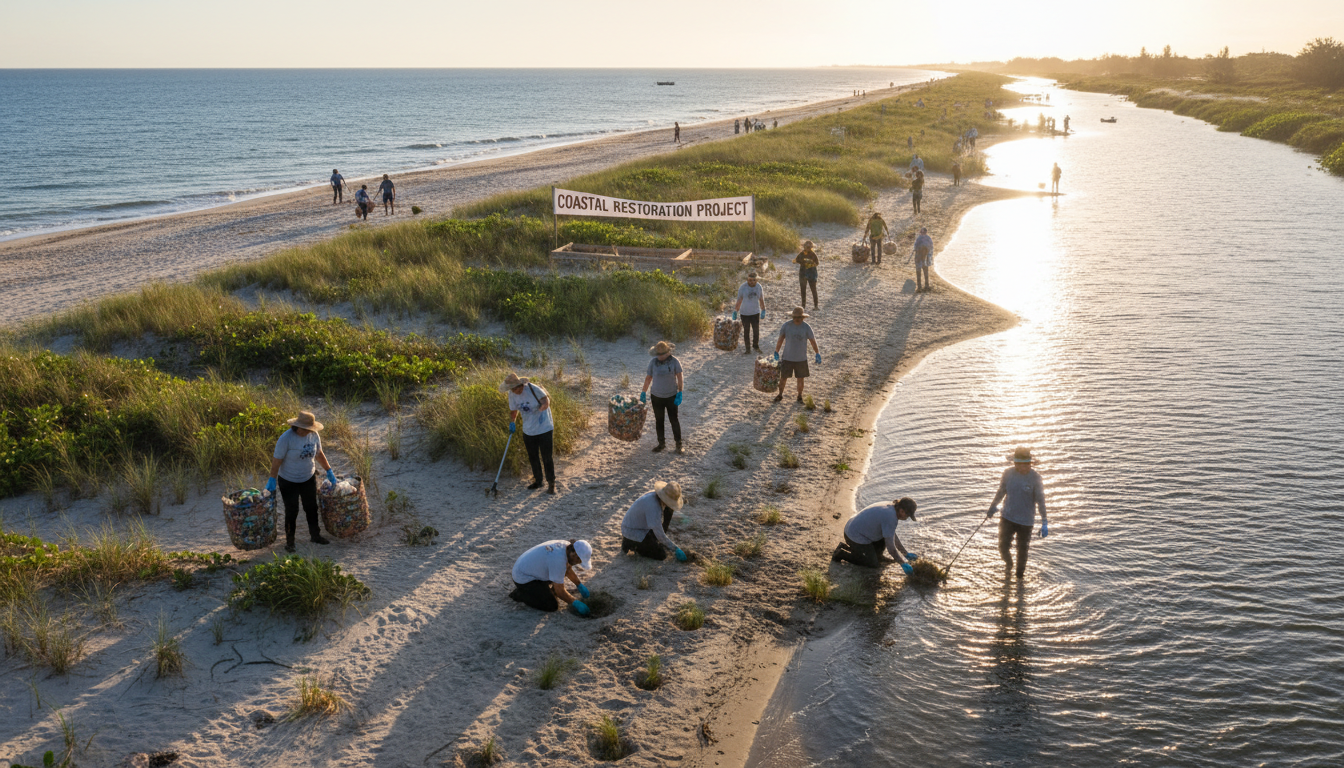
Environmental regulations are in place to protect natural resources and promote sustainable development. Cooke County may require environmental impact assessments for certain projects, especially those near protected areas.
Key Environmental Regulations
Consider the following when planning your project:
- Water Management: Ensuring proper drainage and preventing water pollution.
- Air Quality: Controlling dust and emissions during construction.
- Wildlife Protection: Avoiding disruption of local habitats.
Community Engagement
Engaging with the local community can be beneficial when planning outdoor construction. Residents may have concerns or valuable input that can influence project outcomes. Holding community meetings and addressing issues proactively can lead to smoother project execution.
By fully understanding and adhering to local regulations, you can ensure a successful and legally compliant construction project in Cooke County. It's always advisable to consult with local authorities or seek professional guidance to navigate these complex regulations effectively.