The Ultimate Guide to Irrigation Installation in Cooke County


Understanding Irrigation Systems
Proper irrigation is crucial for maintaining healthy landscapes and gardens, especially in Cooke County, where weather conditions can vary. Whether you're a homeowner or manage a commercial property, understanding the basics of irrigation systems is the first step to ensuring your greenery flourishes.
Irrigation systems can be broadly categorized into surface, drip, and sprinkler systems. Each has its own benefits and is suitable for different types of landscapes. Choosing the right system depends on factors such as soil type, plant species, and budget.
Planning Your Irrigation Installation
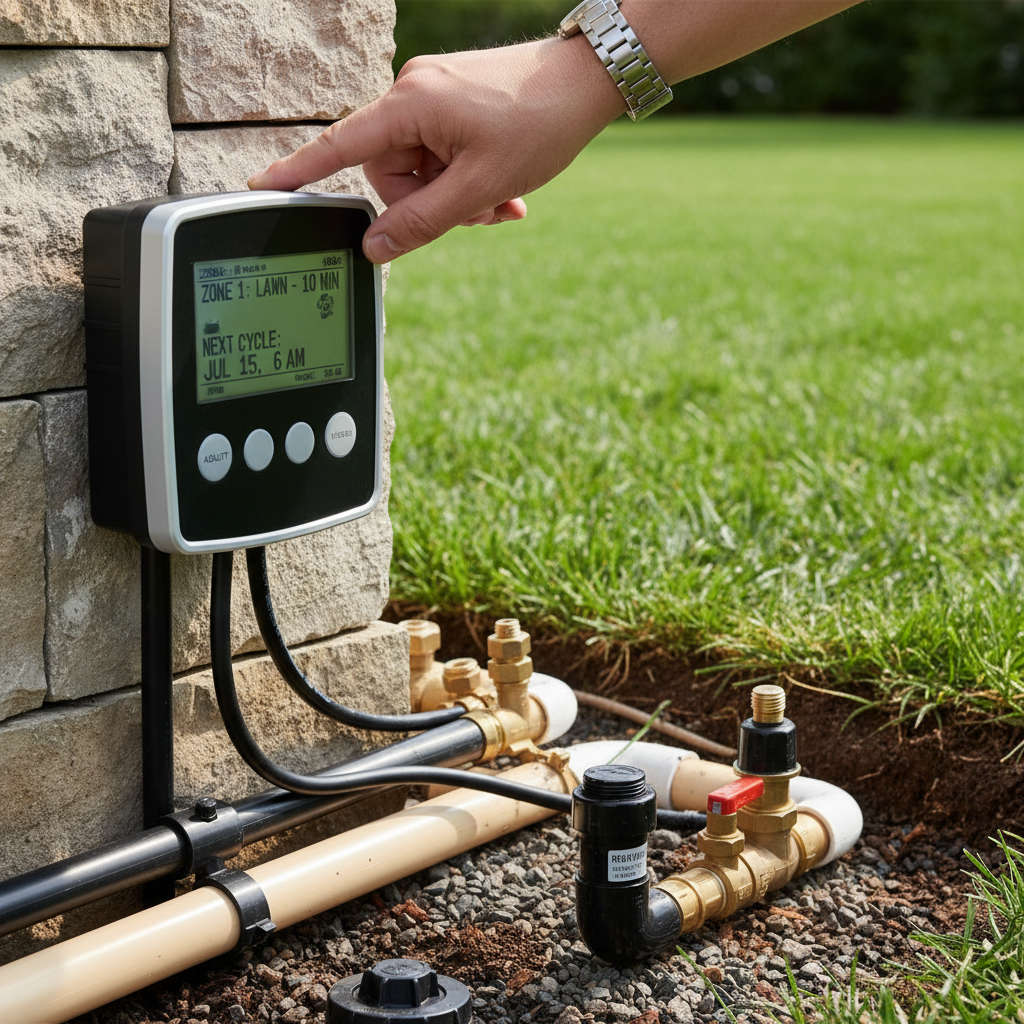
Before beginning the installation, proper planning is essential. Start by assessing your landscape's water requirements. Consider the types of plants, the size of the area, and the local climate. Mapping out zones based on these requirements will help tailor the irrigation system to your needs.
It's also important to check local regulations and permits required for irrigation installations in Cooke County. Compliance with these regulations ensures that your system is efficient and environmentally friendly.
Choosing the Right Equipment
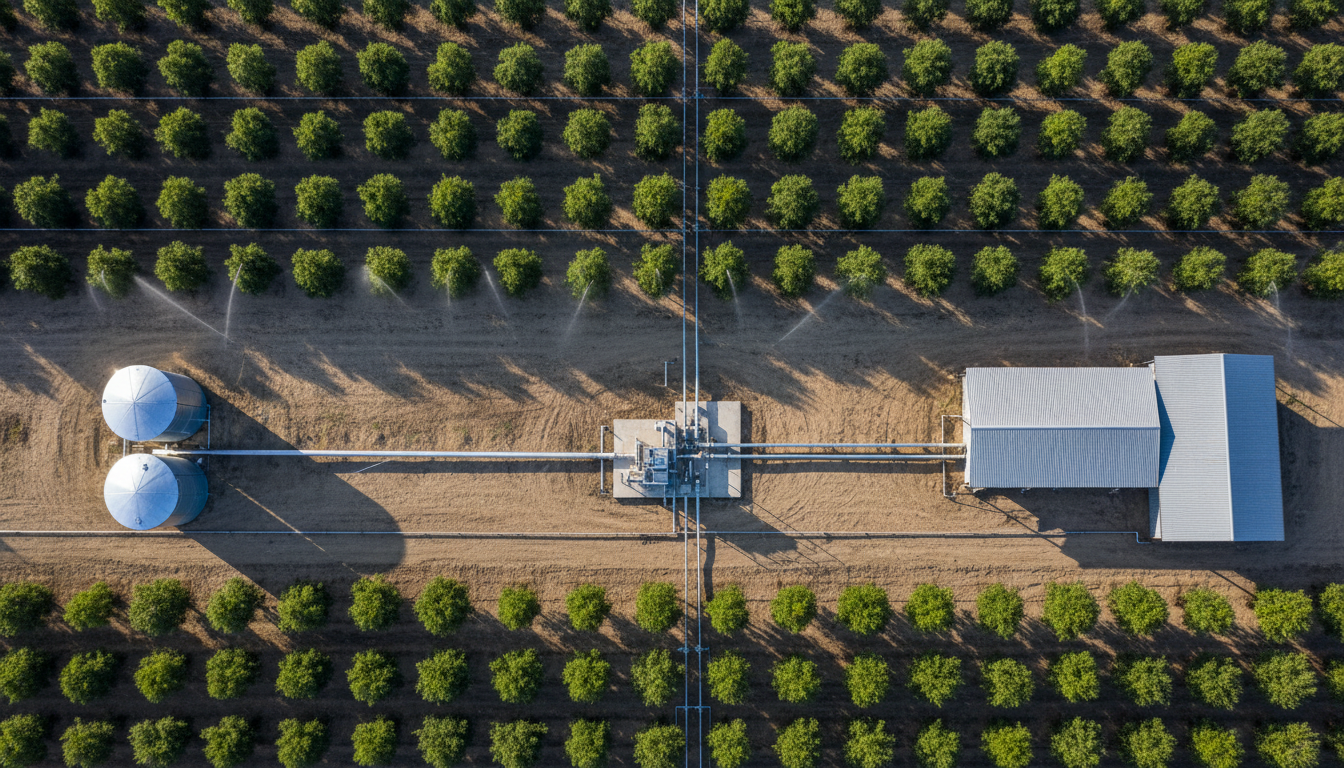
Once you've planned your system, selecting the right equipment is crucial. The main components include controllers, valves, pipes, and sprinkler heads. Opt for high-quality materials to ensure the longevity and efficiency of your system.
Smart controllers are a popular choice as they allow for automated watering schedules and can adjust based on weather conditions. This not only saves water but also reduces utility bills.
Installation Process
The installation process involves several steps, starting with trenching to lay the pipes. It's vital to ensure that the trenches are deep enough to protect the pipes from damage and freezing.
Next, install the valves and connect them to the main water source. Proper placement and secure connections are essential to prevent leaks. Finally, attach the sprinkler heads or drip emitters according to your design plan.
Testing and Maintenance
Once installed, it's important to test the system thoroughly. Check for any leaks, ensure even water distribution, and adjust the system as needed. Regular maintenance checks will help keep the system running efficiently.
Seasonal adjustments may be necessary, particularly in areas with significant temperature changes. Winterizing the system by draining excess water can prevent pipe damage during colder months.
Benefits of Professional Installation
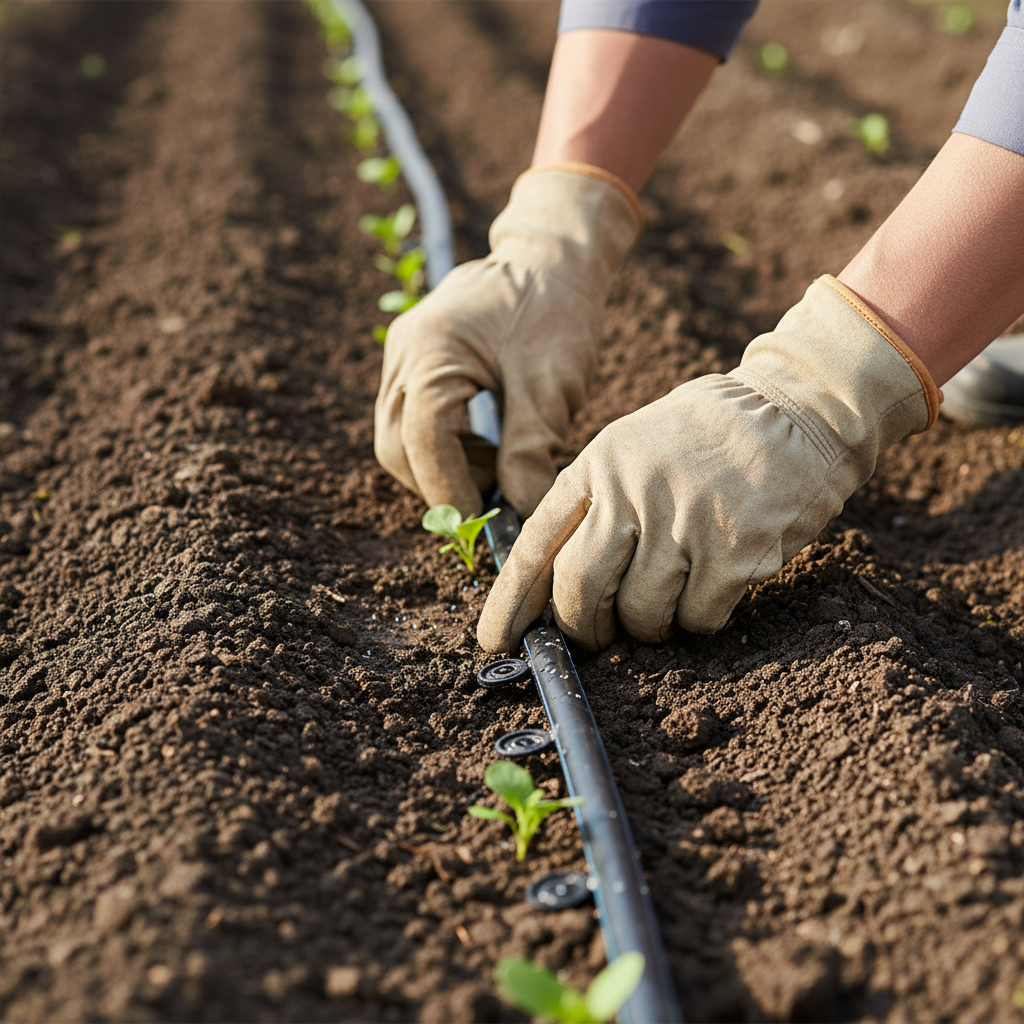
While DIY installation is possible, hiring a professional can be beneficial. Experts have the experience to design and install a system that maximizes efficiency and minimizes water waste.
They can also provide valuable advice on maintaining the system and troubleshooting any issues that arise. This can save you time and money in the long run.
Conclusion
Installing an irrigation system in Cooke County can greatly enhance the health and appearance of your landscape. By understanding the different types of systems, planning effectively, and choosing the right equipment, you can create a sustainable watering solution.
Whether you decide to tackle the installation yourself or hire a professional, the key is to ensure the system is tailored to your specific needs, promoting a lush and vibrant environment.