
The Ultimate Guide to French Drains: Protecting Your Cooke County Home


Understanding French Drains
When it comes to protecting your Cooke County home from water damage, installing a French drain is one of the most effective solutions. French drains are designed to redirect water away from your home's foundation, preventing issues such as basement flooding and soil erosion. Understanding how French drains work is the first step in ensuring your home's safety.
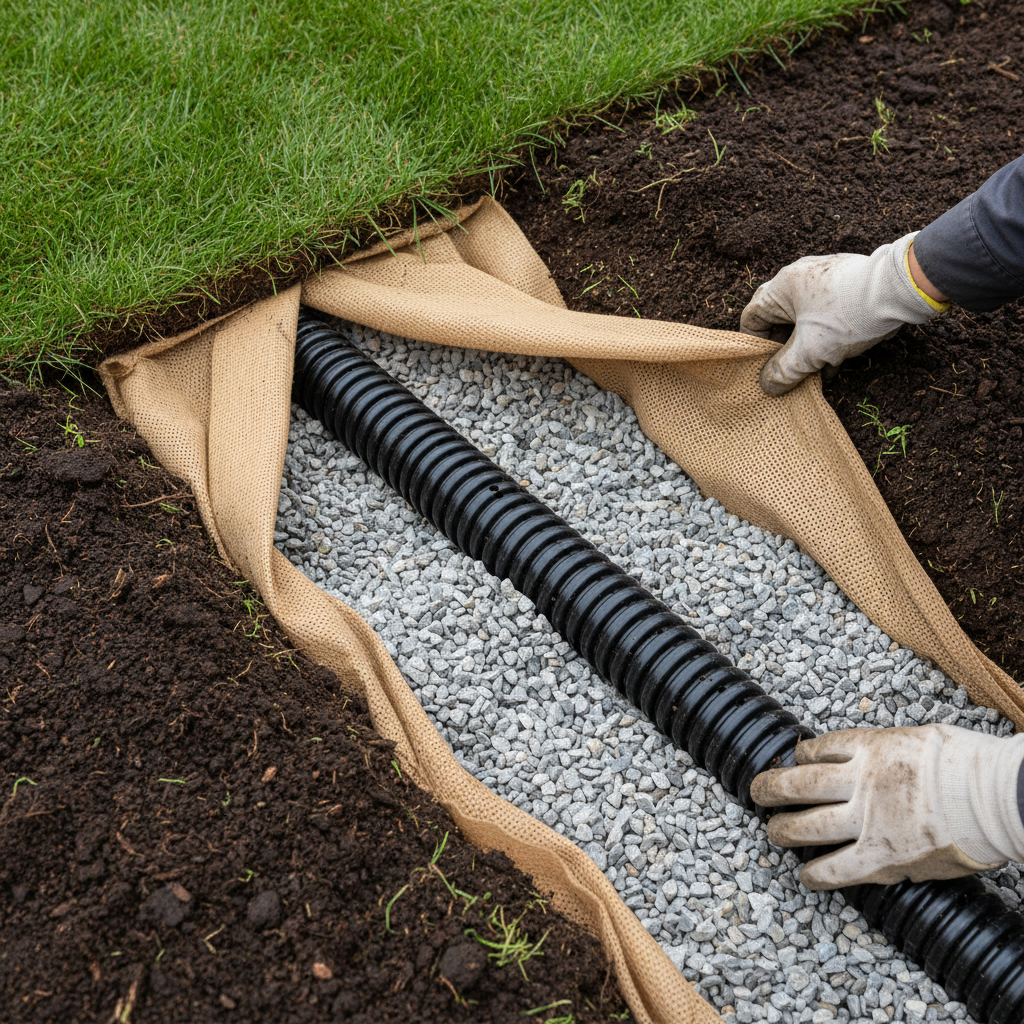
A French drain is essentially a trench filled with gravel or rock, containing a perforated pipe that redirects surface water and groundwater away from your property. The system takes advantage of gravity to guide water away from vulnerable areas, making it a simple yet powerful drainage solution.
Benefits of Installing a French Drain
French drains offer several benefits that make them a popular choice for homeowners. Here are a few key advantages:
- Prevents Water Damage: By directing water away from your home, French drains help prevent structural damage and mold growth.
- Reduces Soil Erosion: Proper drainage minimizes soil erosion around your property, preserving landscaping and foundation integrity.
- Cost-Effective Solution: Compared to other drainage systems, French drains are relatively affordable and easy to maintain.

Installation Process
Installing a French drain involves several steps, each crucial to the system's effectiveness. Here's a quick overview of the installation process:
- Planning: Identify the areas where water tends to accumulate and decide on the drain's path.
- Digging the Trench: Excavate a trench along the planned path, ensuring it slopes away from your home.
- Adding Gravel: Lay down a layer of gravel at the bottom of the trench to facilitate water flow.
- Installing the Pipe: Place the perforated pipe within the trench and cover it with more gravel.
- Covering the Trench: Finally, cover the trench with soil, sod, or decorative stones.

Maintenance Tips
To keep your French drain functioning optimally, regular maintenance is necessary. Here are some tips to help you maintain your drainage system:
- Inspect Regularly: Check the drain for clogs, debris, or damage, especially after heavy rainfall.
- Clear Debris: Remove leaves, dirt, and other obstructions that may block water flow.
- Flush the System: Occasionally flush the drain with water to clear any accumulated sediment.
When to Call a Professional
While French drains are relatively straightforward, certain situations may require professional assistance. If you notice persistent drainage issues or suspect improper installation, it's wise to consult an expert. Professionals can assess your system and make necessary adjustments to ensure optimal performance.
In conclusion, French drains offer a practical and effective solution for protecting your Cooke County home from water-related issues. By understanding the benefits, installation process, and maintenance requirements, you can safeguard your property and enjoy peace of mind.