
The Ultimate Guide to French Drains: Benefits and Installation Tips


What is a French Drain?
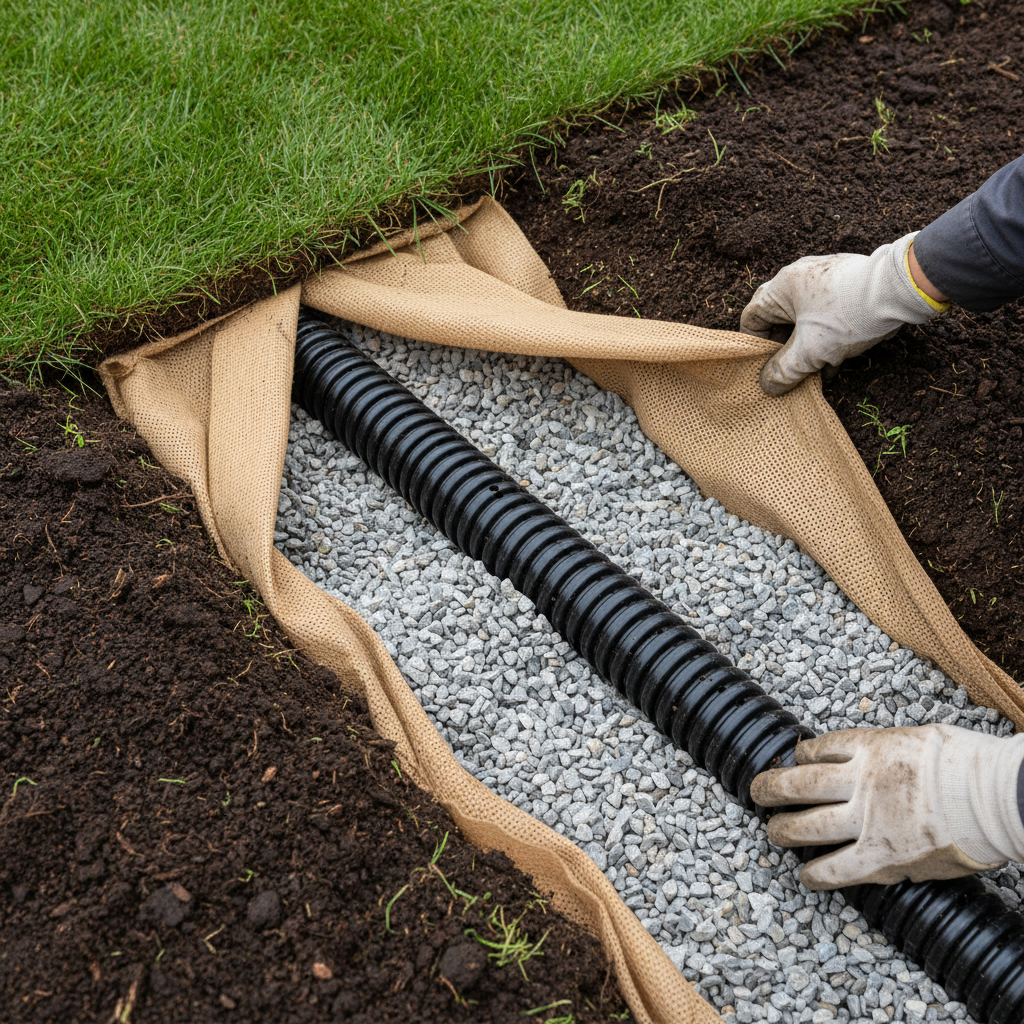
A French drain is a simple yet effective solution for redirecting water away from your home or other structures. It consists of a trench filled with gravel or rock, containing a perforated pipe that guides water away from problem areas. This system is particularly useful in preventing water damage and maintaining a dry, safe environment.
French drains are commonly used in areas prone to heavy rainfall or poor drainage. They are versatile and can be installed in various locations, including basements, yards, and around foundations.
Benefits of Installing a French Drain
Prevents Water Damage
One of the primary benefits of a French drain is its ability to prevent water damage. By efficiently redirecting water away from your property, it helps protect your foundation, basement, and landscaping from potential water-related issues.
Cost-Effective Solution
Compared to other drainage solutions, French drains are relatively cost-effective. They require minimal maintenance and can be installed without the need for extensive excavation or specialized equipment.
Improves Yard Aesthetics
French drains can be designed to blend seamlessly with your landscaping. By using decorative stones or hidden piping, they enhance your yard's appearance while providing essential drainage benefits.
Installation Tips for French Drains
Assess Your Drainage Needs
Before installing a French drain, assess your property's drainage needs. Identify areas where water tends to accumulate and determine the best path for redirecting it away from your home. This step is crucial for ensuring the system's effectiveness.
Choose the Right Materials
Select high-quality materials to ensure the longevity of your French drain. Use perforated PVC or corrugated pipes, and choose gravel or rock that facilitates efficient water flow. Proper material selection is critical for maximizing the system's performance.
Proper Installation Techniques
When installing a French drain, ensure the trench is deep enough to accommodate the pipe and gravel. The trench should have a slight slope to encourage water flow. Carefully place the pipe and fill the trench with gravel, ensuring it covers the pipe entirely.

Maintenance and Troubleshooting
While French drains are low-maintenance, periodic checks can help ensure they function optimally. Clear any debris that may accumulate at the pipe openings and inspect for blockages. If you notice reduced drainage efficiency, professional cleaning may be necessary.
French drains offer a reliable solution for managing excess water and protecting your property. By understanding their benefits and following proper installation techniques, you can enjoy a dry, safe, and visually appealing environment.