
Seasonal Irrigation Tips for Cooke County Homeowners


Understanding Your Lawn's Needs
As a Cooke County homeowner, maintaining a lush and healthy lawn requires understanding the specific needs of your property throughout the year. The climate here presents unique challenges, with hot summers and relatively mild winters. Tailoring your irrigation practices to these seasonal changes can significantly enhance your lawn's health.
Before diving into seasonal tips, it's essential to know your lawn's grass type, soil composition, and sun exposure. These factors influence how much and how often you should water. Taking time to research and observe your lawn's specific needs will set the foundation for effective irrigation practices.
Spring Irrigation Strategies
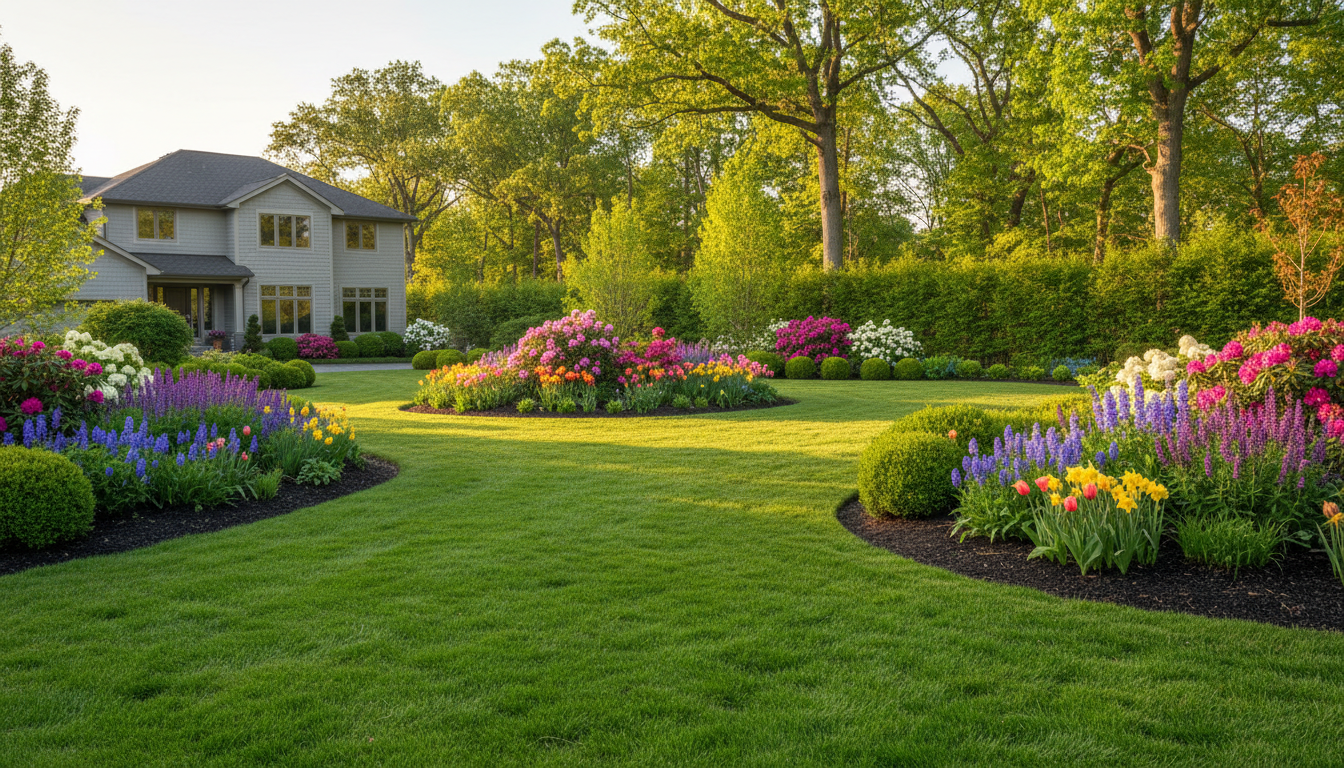
As temperatures begin to rise in spring, it's crucial to start preparing your irrigation system. Begin by inspecting your sprinkler heads and repairing any damage caused by winter conditions. This preventive maintenance helps ensure efficient water distribution.
During spring, your lawn requires moderate watering to support new growth. Aim to water deeply but infrequently, promoting deep root development. Typically, watering once or twice a week is sufficient, depending on rainfall. Remember that overwatering can lead to shallow roots and increased susceptibility to disease.

Summer Watering Techniques
In the heat of summer, lawns in Cooke County demand more attention. It's vital to adjust your irrigation schedule to accommodate higher temperatures and increased evaporation rates. Water your lawn early in the morning to minimize water loss and ensure the soil retains moisture longer.
Consider using a smart irrigation controller to optimize watering schedules based on weather conditions. These devices can help conserve water while maintaining lawn health. Additionally, keep an eye out for signs of drought stress, such as wilting or discoloration, and adjust your watering practices accordingly.
Fall Adjustments for Optimal Growth
As the heat subsides and fall approaches, it's time to gradually reduce your watering frequency. The cooler temperatures and increased rainfall mean your lawn requires less supplemental watering. This period is also ideal for aerating your lawn, allowing water and nutrients to penetrate deeper into the soil.
During fall, focus on maintaining a consistent watering schedule that supports root growth without encouraging excessive blade growth. This balance will prepare your lawn for the upcoming winter months.
Winter Watering Considerations
Although winters in Cooke County are mild, it's important to adjust your irrigation practices to reflect the cooler weather. Reduce watering frequency significantly, as the grass will enter a dormant phase and require less moisture. Ensure your irrigation system is properly winterized to prevent freeze damage.
Monitor weather forecasts and water your lawn only during dry spells. Maintaining some moisture in the soil can help protect the grass from cold damage, but be cautious not to overwater.
Additional Tips for Efficient Irrigation
To further enhance your irrigation practices, consider implementing the following tips:
- Install rain sensors to prevent watering during rainfall.
- Regularly check for leaks in your irrigation system.
- Group plants with similar water needs together.
- Mulch around trees and shrubs to retain soil moisture.
These strategies can help you conserve water and reduce utility costs while keeping your lawn vibrant and healthy throughout the year.