
Preparing Your Garden for Spring: A Seasonal Landscaping Checklist


Assess Your Garden's Current Condition
As spring approaches, it's important to evaluate the current state of your garden. Start by walking through your yard and taking notes on areas that need attention. Look for signs of winter damage, such as broken branches or frostbitten plants.
Pay close attention to any persistent weeds that may have taken root over the colder months. Identifying these early will make it easier to manage them before they spread further.
Clean Up and Clear Out
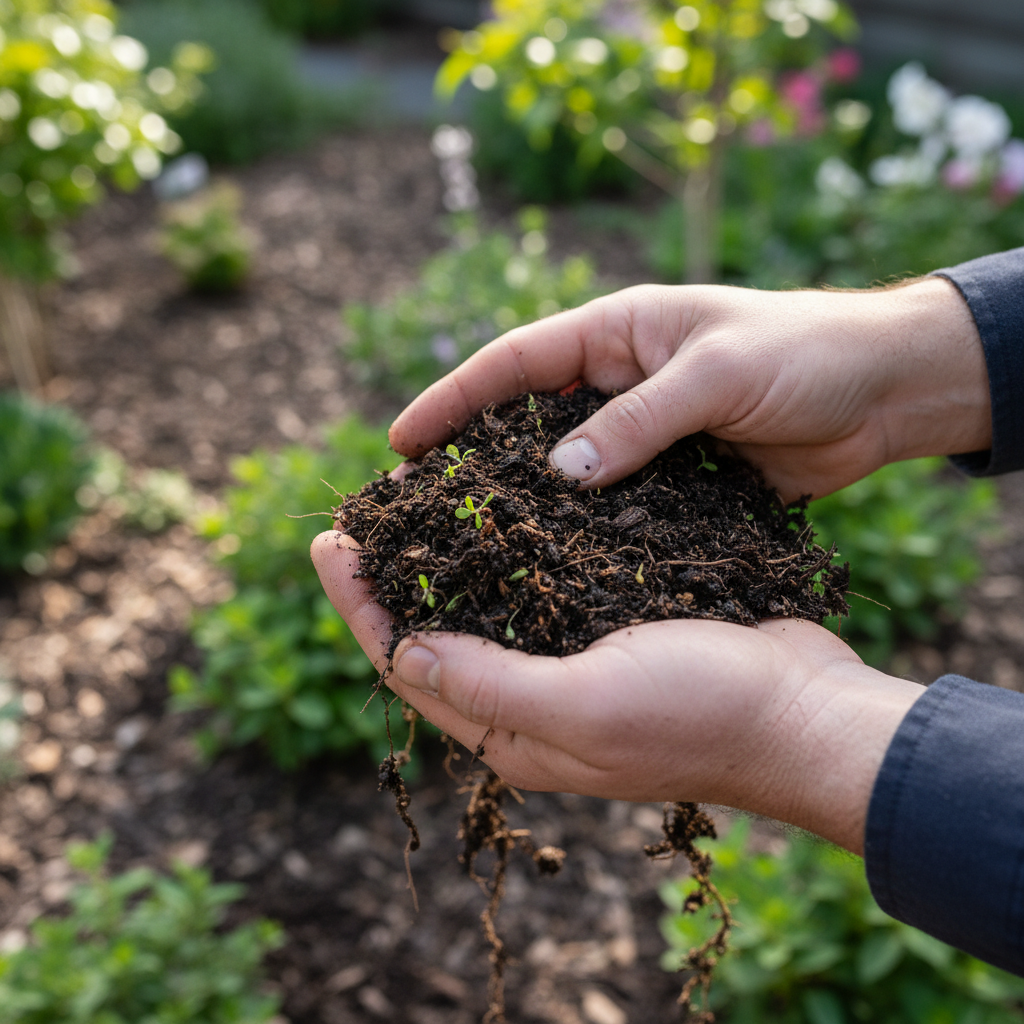
Once you've assessed your garden, it's time to clean up. Remove any debris, such as fallen leaves, twigs, and dead plants. This will help prevent pests and diseases from taking hold in your garden.
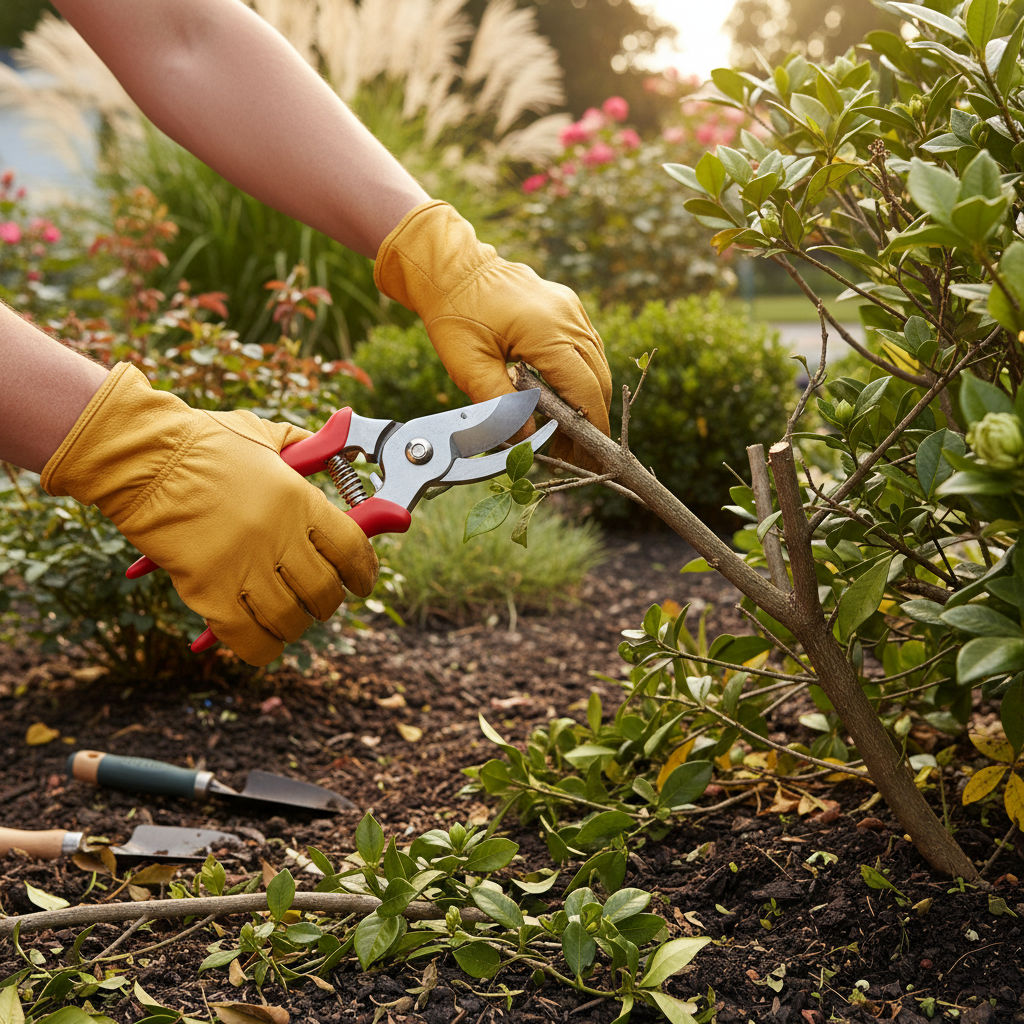
Pruning is another essential task. Trim back overgrown shrubs and trees to encourage healthy growth. Be sure to use clean, sharp tools to avoid damaging your plants.
Prepare Your Soil
Healthy soil is the foundation of a thriving garden. Begin by testing your soil's pH level to determine if any adjustments are needed. You can purchase a simple soil testing kit from a local gardening store.
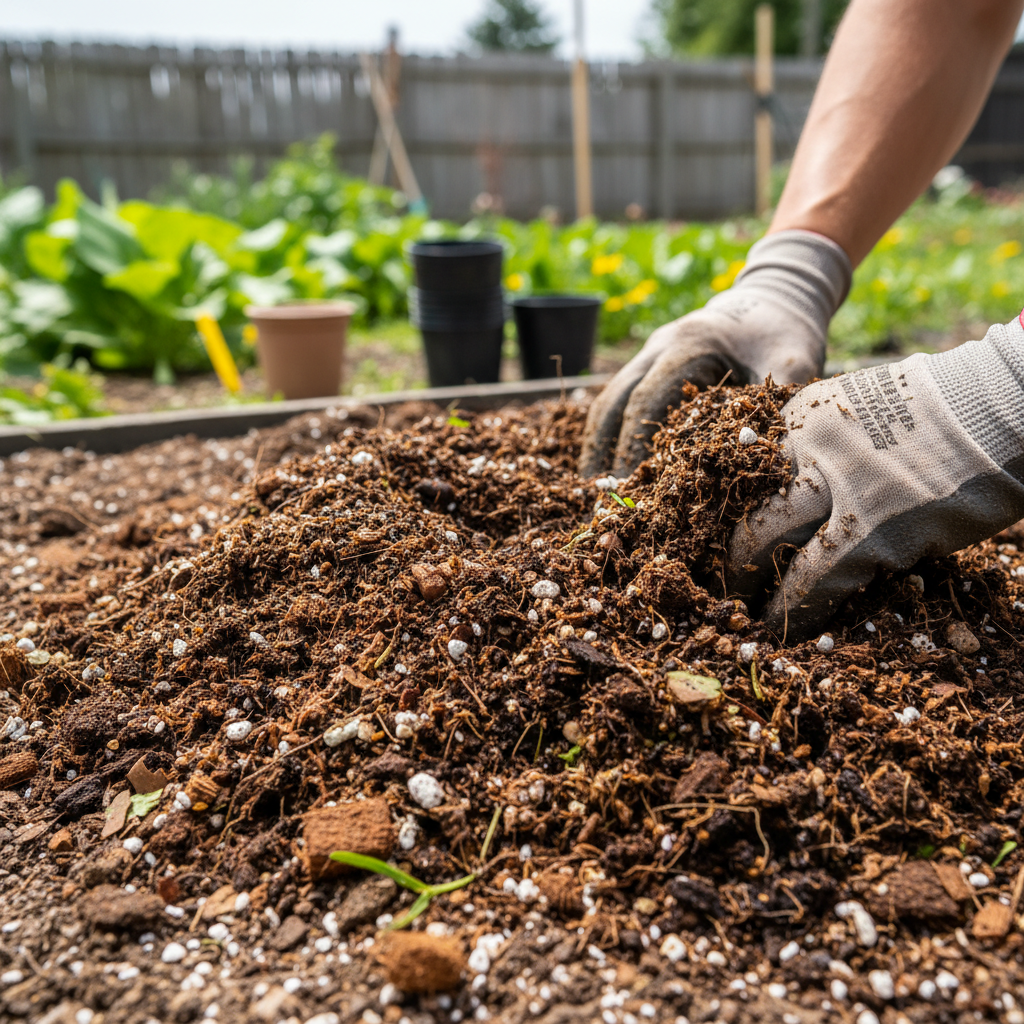
If your soil is compacted, consider aerating it to improve drainage and root growth. Adding organic matter, such as compost or aged manure, can also enhance soil fertility.
Plan Your Planting
Spring is the perfect time to plan your planting strategy. Consider the types of plants you want to grow and their specific needs. Research which plants thrive in your region and climate.
Arrange your garden layout to ensure that taller plants do not overshadow shorter ones. This strategic planning will help maximize sunlight exposure and air circulation.
Choose and Plant New Additions
With a plan in place, select new plants to add to your garden. Whether you're introducing colorful flowers or hearty vegetables, choosing the right plants is crucial to your garden's success.
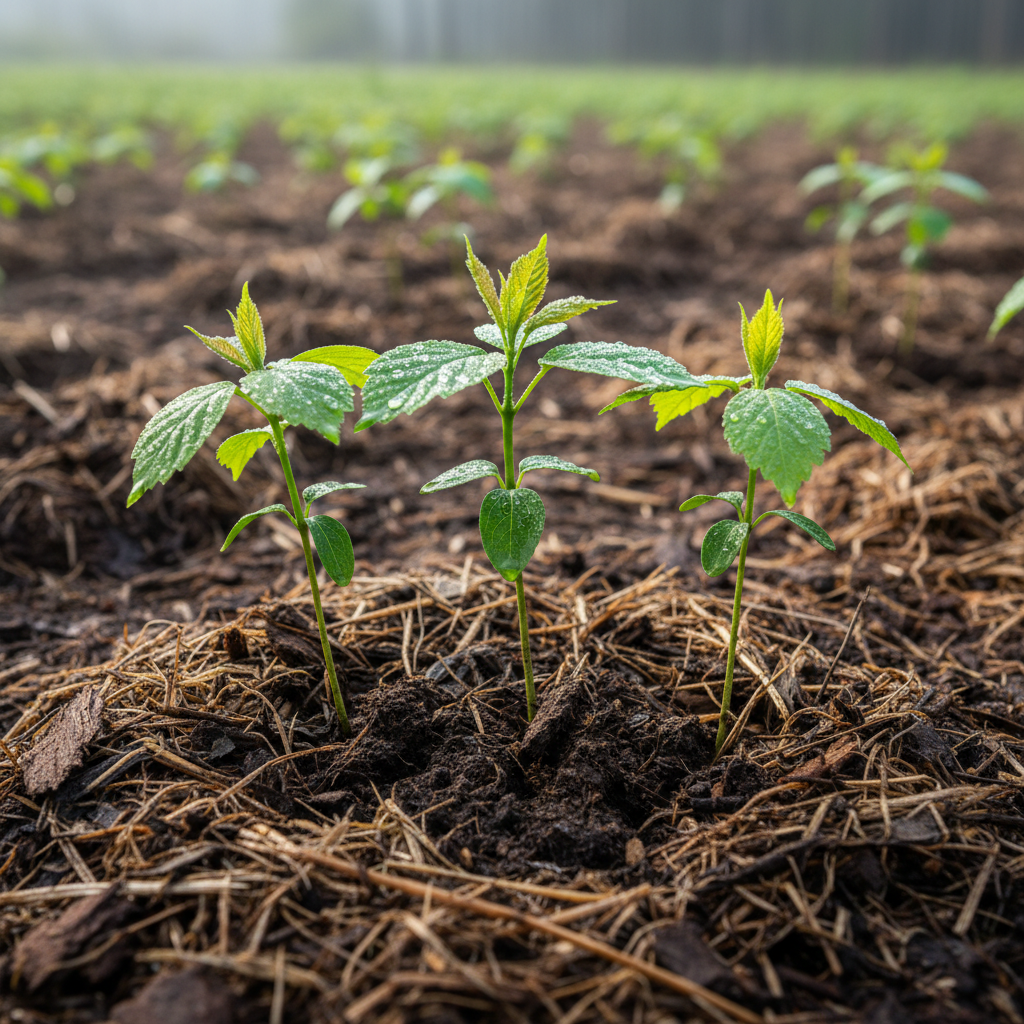
Transplant seedlings or sow seeds directly into the soil, following the instructions for spacing and depth. Water them generously to help establish strong roots.
Set Up a Watering System
An efficient watering system can save time and resources. Consider installing a drip irrigation system or soaker hoses to provide consistent moisture to your plants.
Ensure that your watering schedule aligns with your plants' needs. Overwatering can be just as harmful as underwatering, so monitor the soil moisture regularly.
Mulch for Moisture Retention
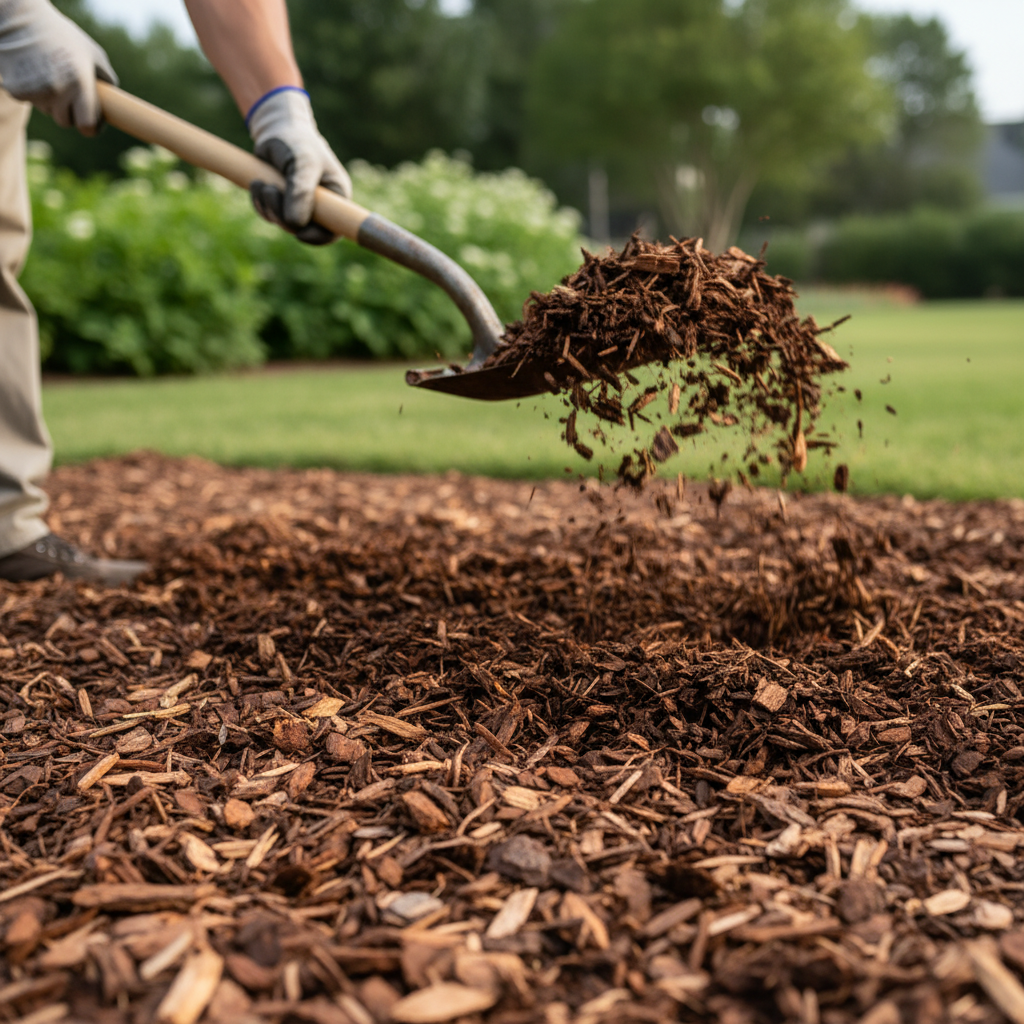
Applying mulch is an excellent way to conserve moisture and suppress weeds. Spread a layer of mulch around your plants, taking care not to cover the stems or trunks.
Organic mulches, like wood chips or straw, gradually break down and enrich the soil, offering additional benefits to your garden ecosystem.
Monitor and Maintain
Once your garden is planted, regular maintenance is key to keeping it healthy. Check for signs of pests or diseases and address issues promptly to prevent them from spreading.
Continue to prune and deadhead plants as needed to encourage new growth and prolong blooming. Regular attention will ensure your garden remains vibrant throughout the season.