
Mastering the Art of French Drain Installation in Cooke County


Understanding French Drains
French drains are a highly effective solution for managing water drainage in your yard or around your home. They work by redirecting water away from areas where it might cause damage, such as foundations or basements. If you live in Cooke County, where heavy rains can lead to water pooling, installing a French drain can be an essential home improvement project.
Why French Drains are Important
Water accumulation can lead to a host of problems, including soil erosion, foundation damage, and basement flooding. French drains help prevent these issues by providing a path of least resistance for water to flow away from critical areas. This not only protects your property but can also enhance the overall aesthetics of your landscape.
Planning Your French Drain Installation
Before starting your French drain installation, it's crucial to assess the specific needs of your property. Consider the following factors:
- Location: Determine where water tends to accumulate and where it needs to be redirected.
- Permits: Check with local authorities in Cooke County for any necessary permits.
- Materials: Gather the required materials, including gravel, perforated pipe, and landscape fabric.
Steps to Install a French Drain
Once you have a clear plan, it's time to begin the installation process. Follow these steps:
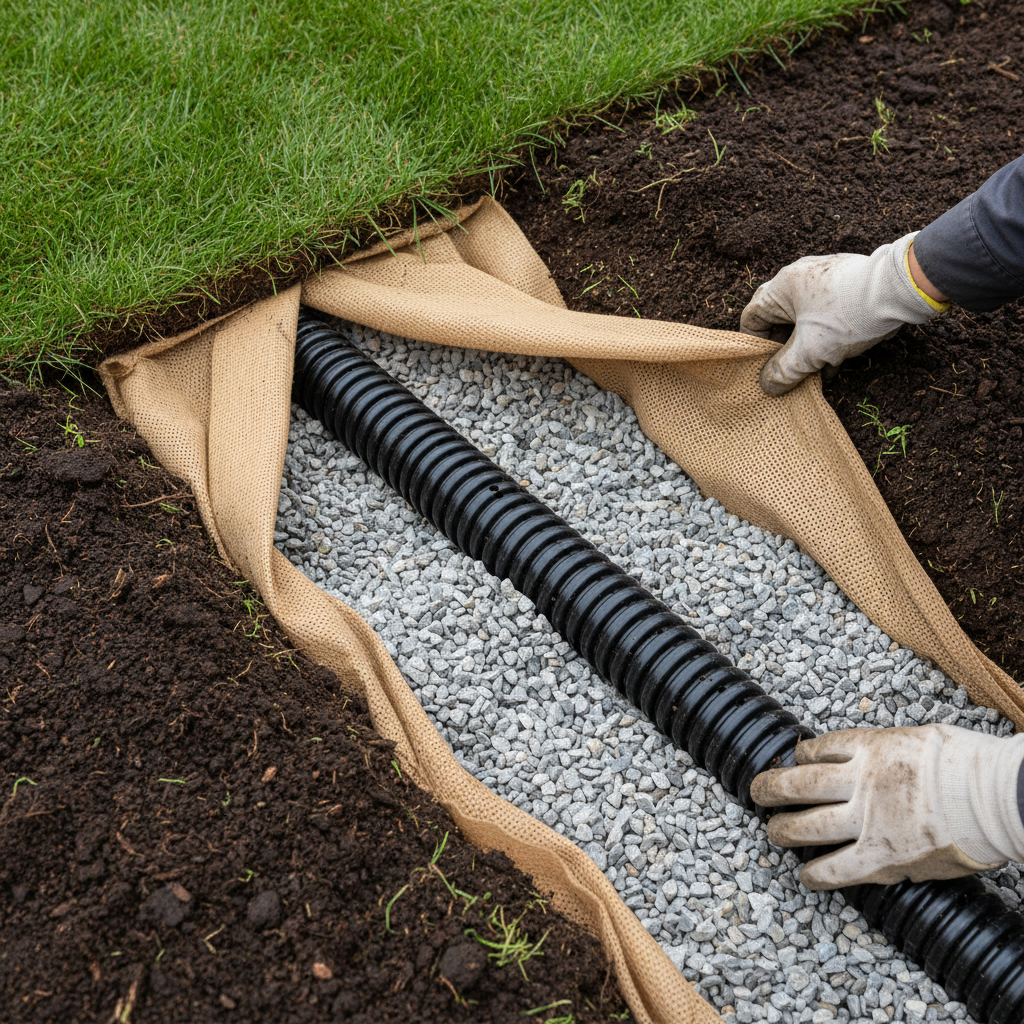
- Excavate a Trench: Dig a trench that follows the path where you want the water to be redirected. The trench should be deep enough to accommodate the gravel and pipe.
- Line the Trench: Line the trench with landscape fabric to prevent soil from clogging the pipe.
- Add Gravel: Place a layer of gravel at the bottom of the trench to facilitate drainage.
- Install the Pipe: Lay the perforated pipe on top of the gravel, ensuring that the holes are facing downward.
- Cover with More Gravel: Add another layer of gravel on top of the pipe, followed by folding over the landscape fabric.
- Backfill the Trench: Fill the trench with soil and sod to complete the installation.
Maintenance Tips for Longevity
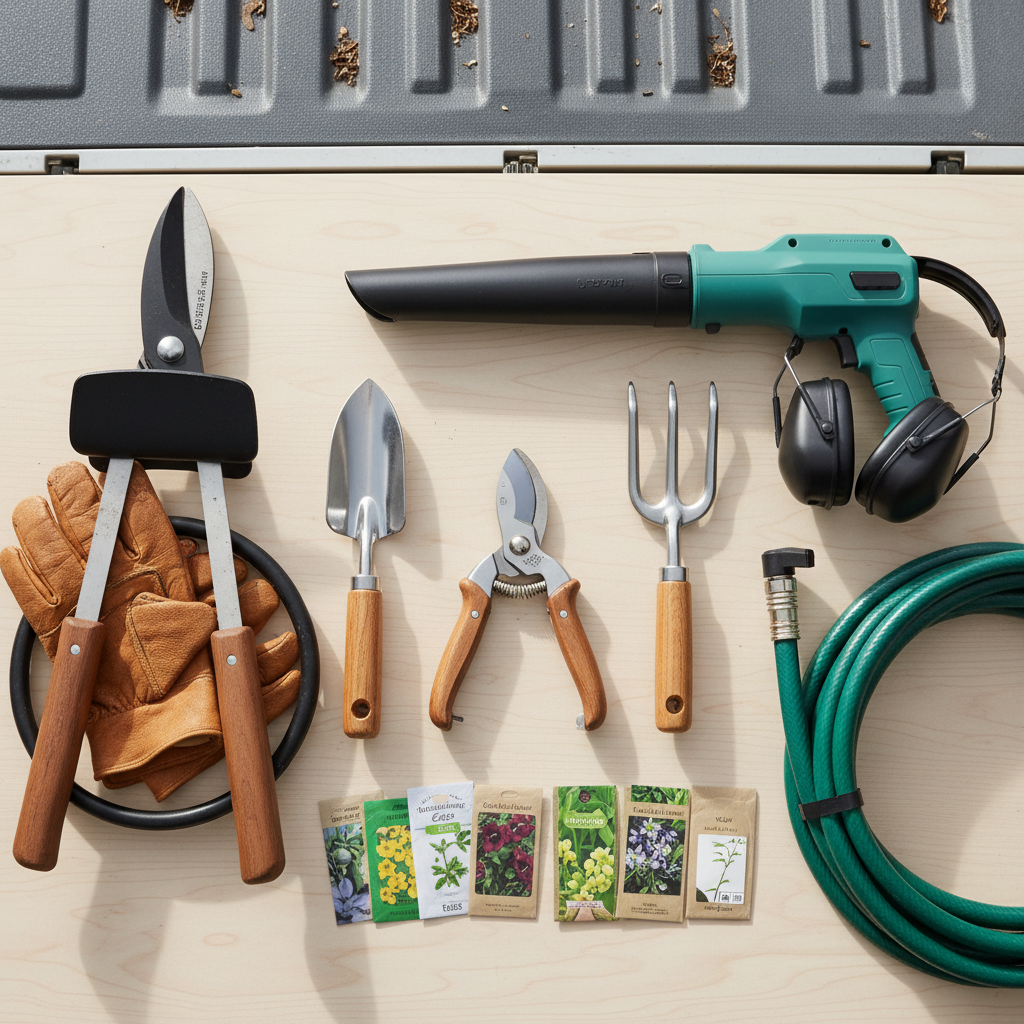
To ensure your French drain continues to function effectively, regular maintenance is key. Here are some tips:
- Inspect Annually: Check for any signs of clogging or damage, particularly after heavy rainfalls.
- Clear Debris: Remove leaves, dirt, and other debris from the surface to maintain optimal water flow.
- Monitor Water Flow: Keep an eye on the water flow during rains to ensure the drain is working properly.
Seeking Professional Help
While installing a French drain can be a DIY project, consider consulting with a professional if you're unsure about any step. Experts can provide guidance and ensure that the installation is done correctly, preventing potential issues down the line.
By mastering the art of French drain installation, you can protect your property from water damage and improve its overall appeal. Whether you choose to tackle the project yourself or seek professional help, understanding the process is the first step towards a successful installation.