Expert Advice: Avoiding Common Mistakes in Concrete Work


Understanding the Basics of Concrete Work
Concrete is a versatile and durable material used in various construction projects, from residential driveways to large commercial buildings. However, achieving a perfect concrete finish requires more than just mixing cement, sand, and water. Understanding the basics is crucial to avoid common mistakes that can lead to structural issues.
Proper Mixing Techniques
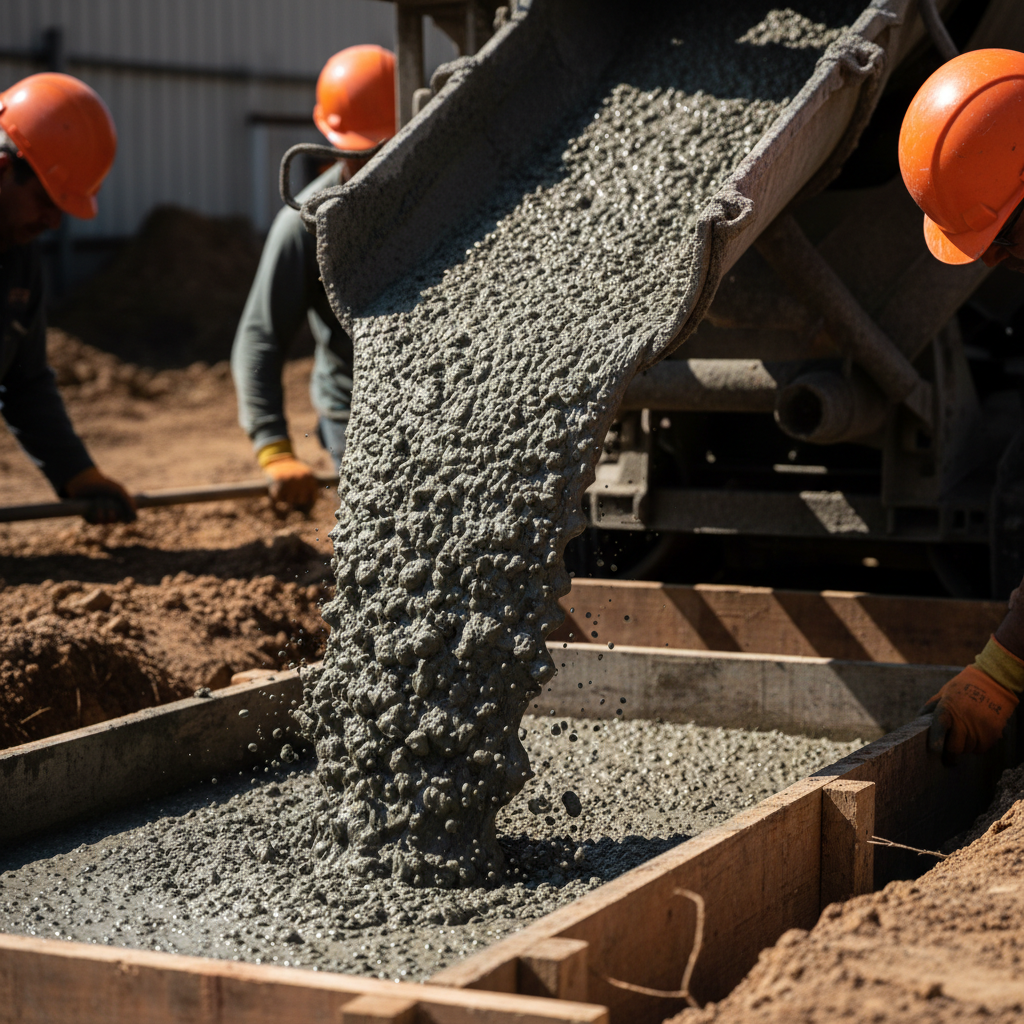
One of the first steps in successful concrete work is ensuring the mix is correct. A common mistake is adding too much water, which can weaken the concrete. Use the right proportions of water, cement, and aggregates to achieve a mix that is workable yet strong. Consistency in mixing is key, so whether you're using a mixer or doing it by hand, make sure the ingredients are thoroughly combined.
Setting and Curing
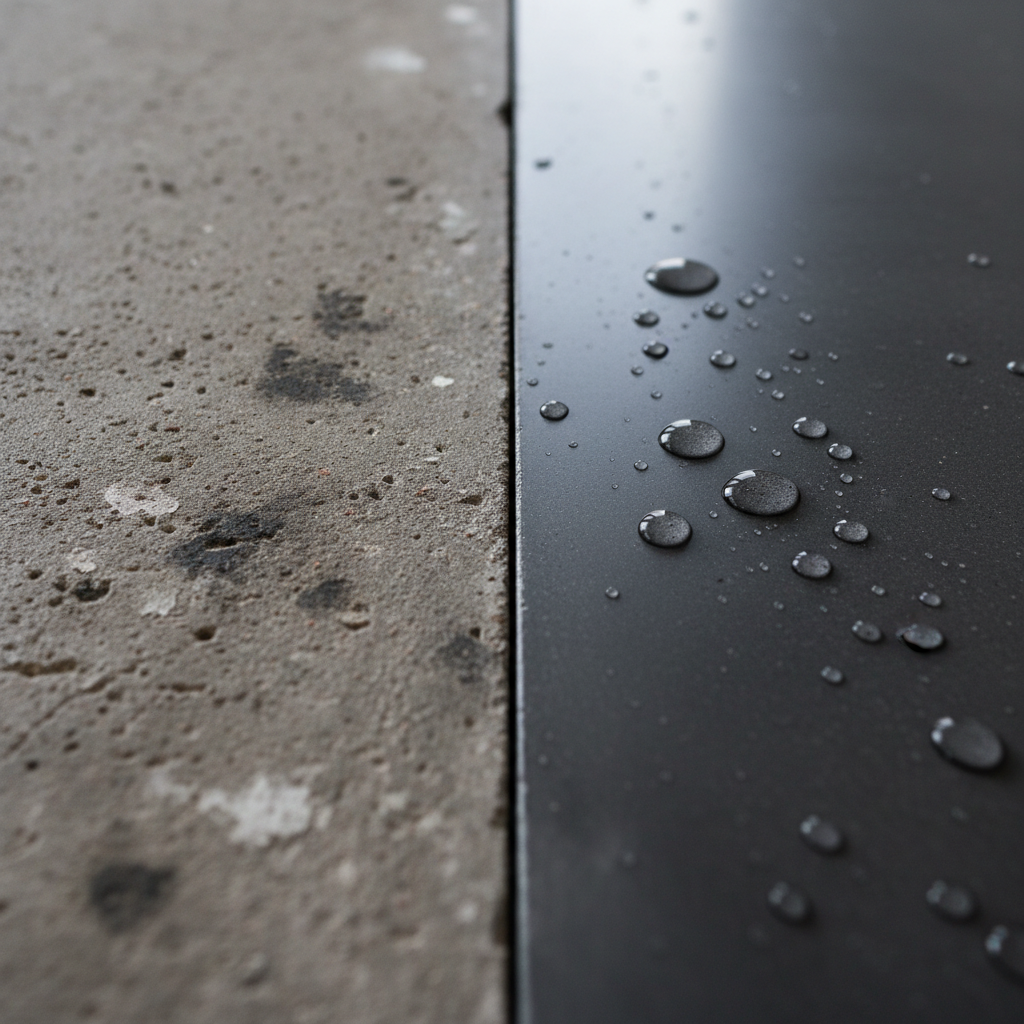
Proper curing is just as important as mixing. Curing helps maintain moisture in the concrete, allowing it to gain strength over time. A frequent error is neglecting the curing process, leading to cracks and weakened structures. Keep the surface moist and covered for at least a week to ensure optimal strength development.
Avoiding Common Mistakes During Pouring
Pouring concrete might seem straightforward, but several pitfalls can disrupt the process. One such mistake is pouring in extreme weather conditions. High temperatures can cause rapid evaporation, while freezing conditions can hinder setting. Aim to pour concrete in mild weather for best results.
Leveling and Finishing
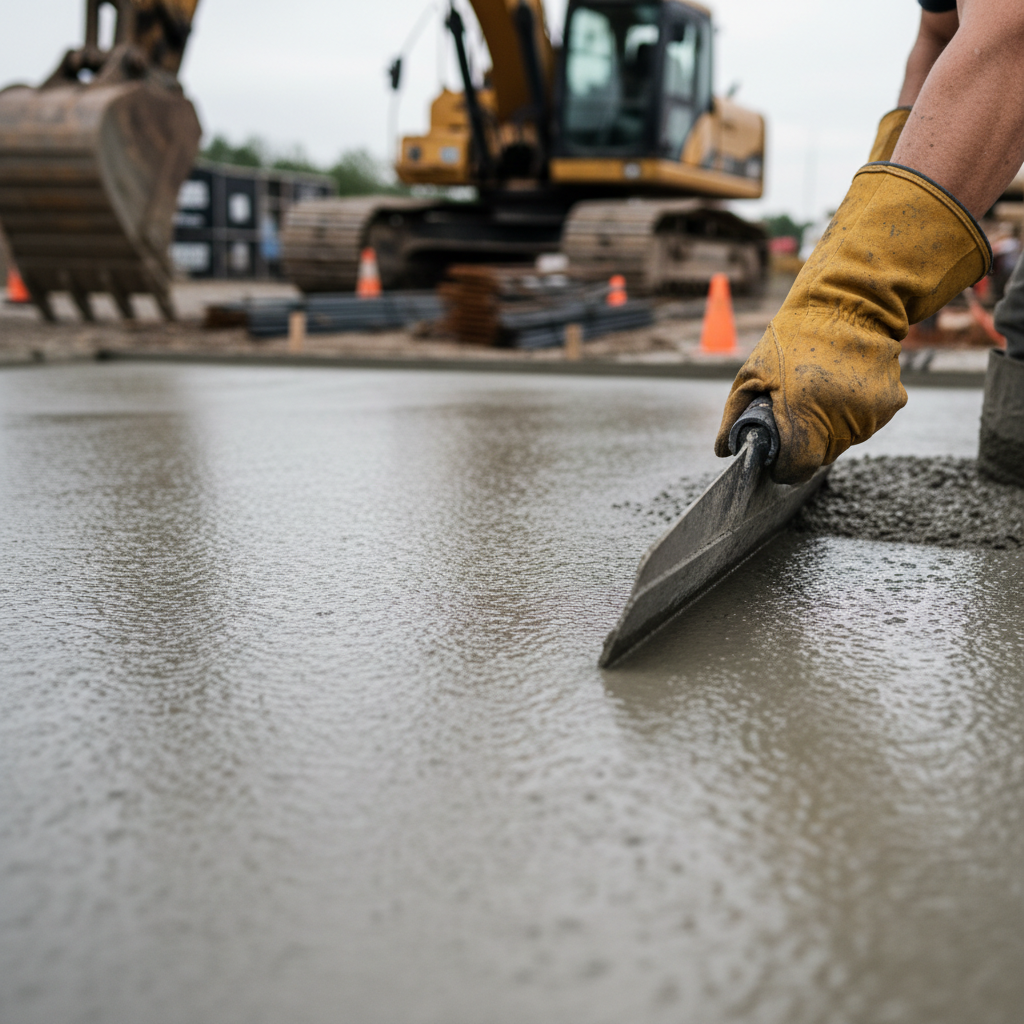
Once poured, concrete must be properly leveled and finished. Uneven surfaces not only look unprofessional but can also cause water pooling and other issues. Use a screed to level the surface and a float to smooth it. Be cautious not to overwork the surface, as this can bring too much water to the top, weakening the finish.
Ensuring Structural Integrity
Reinforcement is crucial in concrete work, especially for load-bearing structures. Failing to add adequate rebar or mesh can lead to structural failure. Ensure the reinforcement is properly placed and adequately covered by concrete to prevent exposure to the elements, which can cause rust and weakening over time.
Addressing Cracks and Repairs
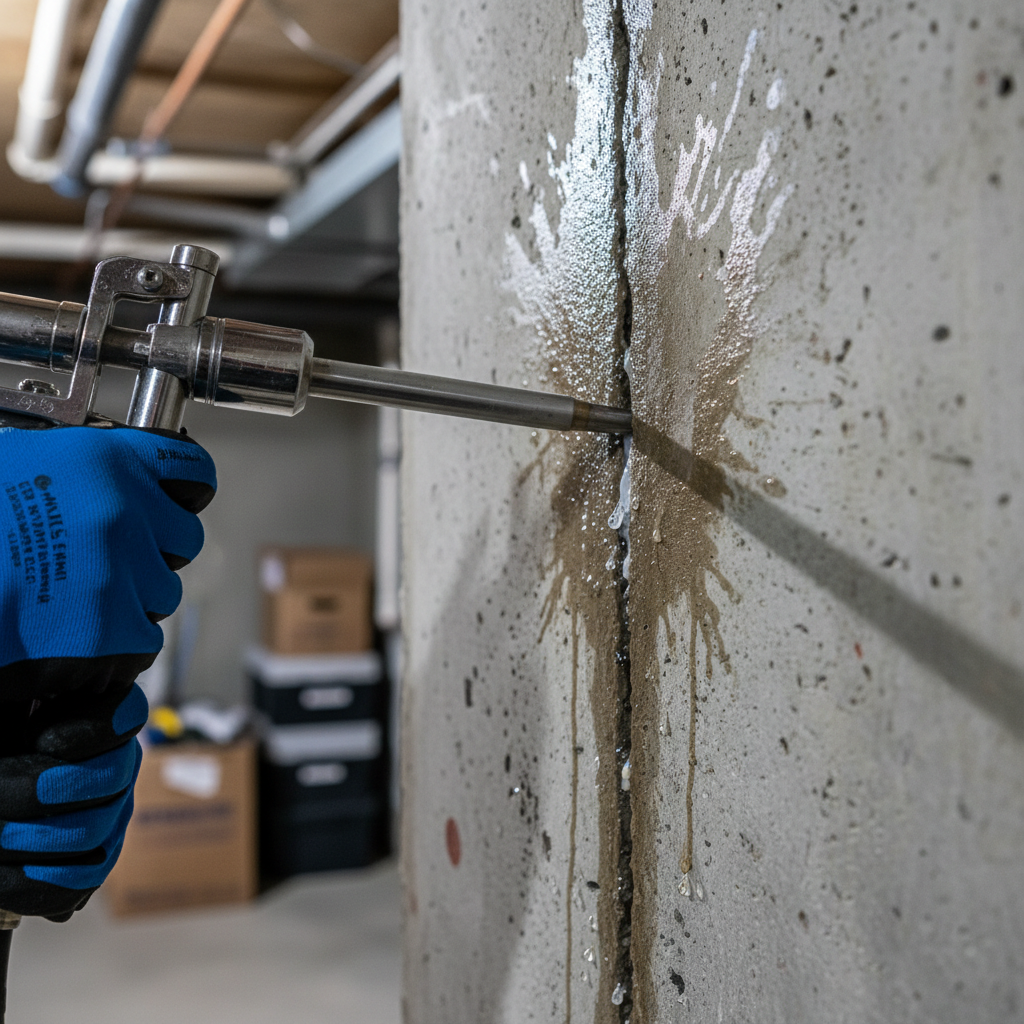
Cracks are a common issue in concrete work, often resulting from improper curing, excessive loads, or settlement. Addressing these cracks promptly can prevent further damage. Use appropriate sealants and fillers designed for concrete repairs, and ensure the surface is clean and dry before application.
By following expert advice and avoiding these common mistakes, you can ensure your concrete work is both aesthetically pleasing and structurally sound. Whether you're a DIY enthusiast or a professional contractor, attention to detail and adherence to best practices are essential for success in any concrete project.